
Air Logistics
Air logistics is a vital component of global supply chains, offering the fastest and most reliable mode of transport for time-critical, high-value, or sensitive goods. Unlike other forms of freight, air logistics is built around speed, precision, and predictability—qualities that are essential in today’s highly dynamic and competitive market environments. From pharmaceuticals and medical devices to electronics, automotive parts, and perishables, air freight ensures products reach their destination quickly, safely, and with full traceability.
In air logistics, time is not just a metric—it’s a mission-critical factor that directly impacts product viability, regulatory compliance, customer satisfaction, and ultimately, patient safety or business continuity. For pharmaceutical and life science companies in particular, the timely delivery of temperature-sensitive products like vaccines, biologics, or investigational drugs can be the difference between life and death. Any delay, customs holdup, or mismanagement in transit could compromise product quality, breach GDP compliance, or result in costly losses and reputational damage.
Air freight provides unparalleled advantages for shipments that are urgent, fragile, or require special handling. Short lead times help reduce inventory holding costs and enable just-in-time (JIT) delivery models. The ability to rapidly respond to market demands, emergency orders, or critical shortages gives companies a strategic edge in highly regulated industries. Moreover, with global air networks covering virtually every region, air logistics supports agile supply chains and fast market access across continents.
However, the value of time in air logistics is not only about speed—it’s also about precision coordination, real-time visibility, and risk mitigation. Every minute counts, from the moment a shipment is collected to its final delivery. This places significant importance on strong partnerships between shippers, freight forwarders, ground handlers, and airlines, as well as on technologies that enable proactive monitoring, exception management, and regulatory compliance.
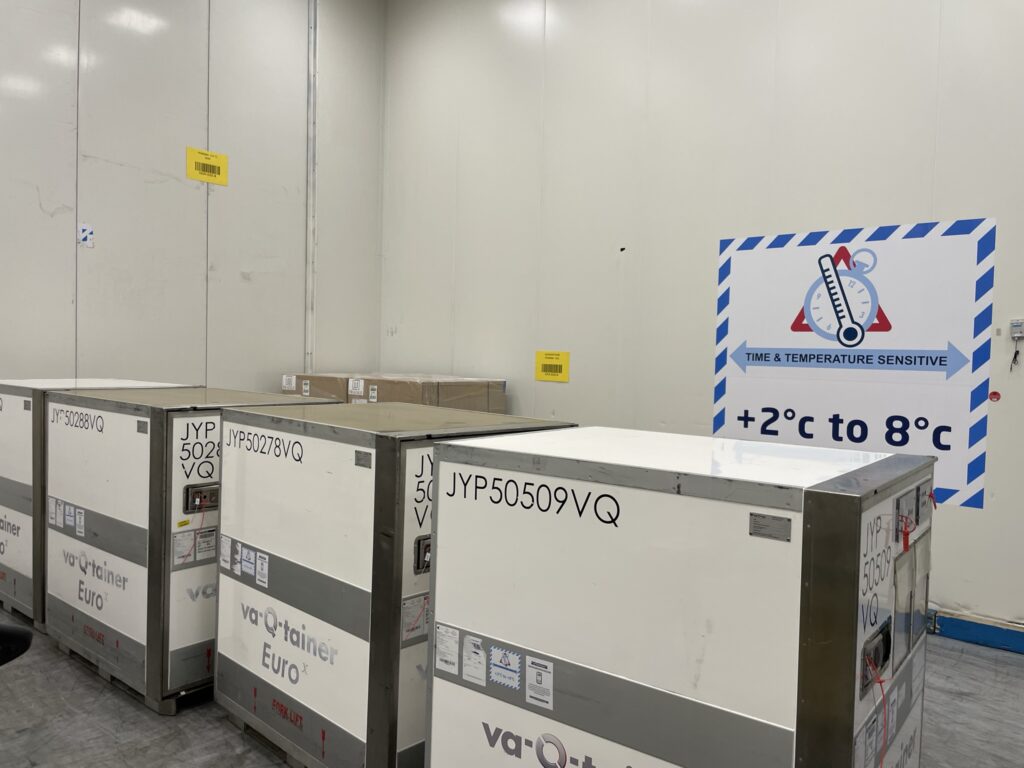
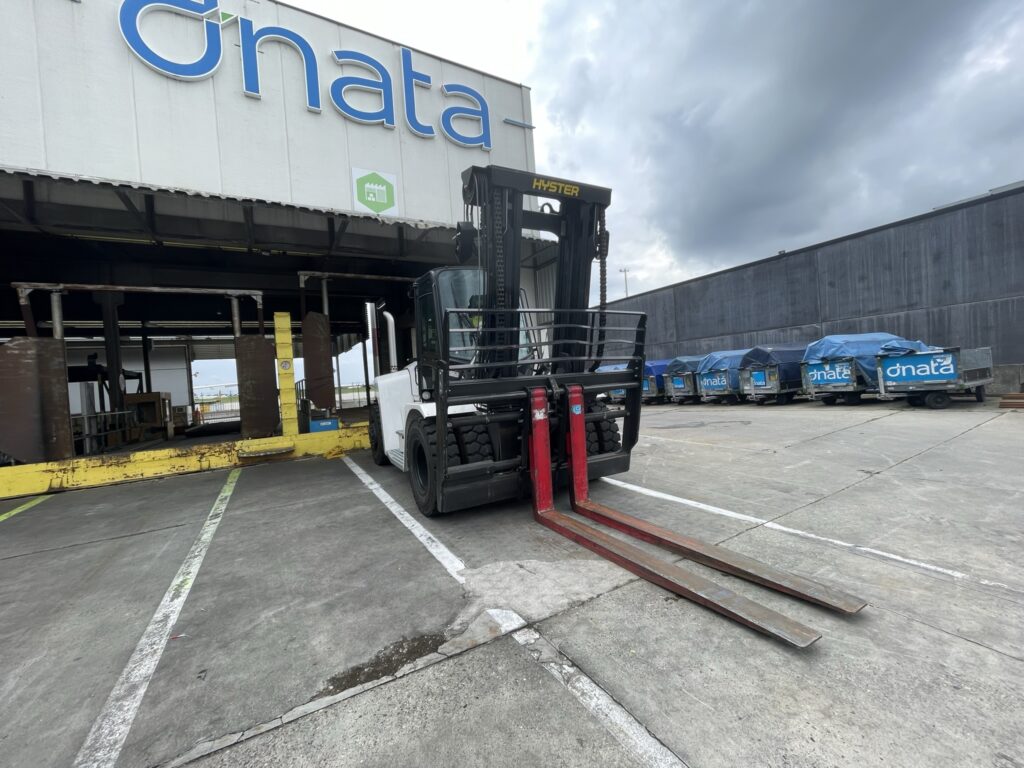
For growing companies—especially in the pharmaceutical and healthcare sectors—investing in a reliable air logistics strategy is crucial. It ensures business resilience, regulatory readiness, and competitive performance in global markets. Companies like Work On BV, with deep expertise in air freight operations and GDP-compliant supply chain management, provide essential guidance in designing and executing air logistics solutions that prioritize time, integrity, and compliance.
In summary, air logistics is not just about moving goods through the air—it’s about moving them with purpose, precision, and speed. When time is mission-critical, air freight becomes more than a service—it becomes a lifeline.
IATA and GDP Requirements in Air Logistics
When it comes to transporting pharmaceutical and healthcare products by air, compliance with internationally recognized standards is essential. Two of the most critical frameworks governing this space are IATA’s regulations and GDP (Good Distribution Practice) guidelines. Together, they provide the regulatory and operational backbone for ensuring safe, efficient, and compliant movement of time- and temperature-sensitive cargo through the air logistics chain.
1. IATA: Setting the Global Standard for Air Cargo
The International Air Transport Association (IATA) is the global trade association for the airline industry, representing over 290 airlines in more than 120 countries. IATA plays a pivotal role in standardizing and regulating air cargo operations through a range of manuals, training, and certification programs.
For pharmaceutical air cargo, the most relevant IATA initiative is:
IATA CEIV Pharma (Center of Excellence for Independent Validators in Pharmaceutical Logistics):
CEIV Pharma is a globally recognized certification program developed by IATA to help air cargo stakeholders (airlines, ground handling agents, freight forwarders, and airports) achieve and maintain GDP-compliant operations. It ensures that companies handling pharma shipments have the infrastructure, procedures, trained personnel, and quality systems necessary to meet international compliance standards.
Key features of CEIV Pharma include:
-
Alignment with GDP and WHO (World Health Organization) guidelines
-
Standardization of pharmaceutical handling across the global air cargo network
-
Independent validation of facilities, processes, and documentation
-
Focus on temperature control, cold chain integrity, and risk mitigation
By using CEIV Pharma-certified partners, pharmaceutical companies gain greater assurance that their shipments are handled according to the highest standards throughout the entire air transport process.
2. GDP Requirements in Air Logistics
Good Distribution Practice (GDP) is a set of guidelines issued by regulatory authorities (such as the EU, WHO, and PIC/S) to ensure that pharmaceutical products are consistently stored, transported, and handled under suitable conditions. GDP is legally enforced in many countries and forms the basis for how pharmaceuticals must be managed across all transportation modes, including air.
GDP compliance in air logistics covers:
-
Temperature control: Maintaining product-specific conditions (e.g., +2°C/+8°C, +15°C/+25°C, -20°C) from origin to destination
-
Qualification and validation: Use of validated packaging solutions, temperature loggers, and cold chain equipment
-
Training: Personnel must be trained in GDP and temperature-sensitive cargo handling procedures
-
Traceability and documentation: Full visibility of product movement, including tracking, audit trails, and deviation reports
-
Risk assessment and mitigation: Identification of risks along the transport route and implementation of preventive measures
-
Contingency planning: Preparedness for delays, customs holds, and temperature excursions
Air logistics under GDP must also involve proper lane risk assessments, where specific trade lanes are analyzed for risks such as transit time variations, extreme temperatures, and handover vulnerabilities. Only qualified and GDP-compliant partners should be used across the air freight supply chain, including ground handling agents and last-mile delivery services.
The Intersection of IATA and GDP in Air Pharma Logistics
While GDP provides the regulatory foundation, IATA CEIV Pharma offers an industry-aligned operational framework to enforce and validate compliance within the air cargo ecosystem. Together, they help ensure:
-
End-to-end product integrity
-
Minimized risk of temperature excursions
-
Regulatory and audit readiness
-
Global standardization of best practices
For pharmaceutical startups and growth-stage companies, understanding these frameworks is essential when selecting air freight partners, designing cold chain strategies, and preparing for market entry in regulated regions.
Companies like Work On BV bring significant value by guiding new pharmaceutical businesses through the complexities of GDP and IATA compliance. With hands-on expertise in air freight operations, temperature-controlled shipping, SOP development, and partner qualification, Work On BV helps clients establish resilient, audit-ready, and patient-focused logistics operations from day one.