
Road Logistics
Good Distribution Practice (GDP) road logistics refers to the application of GDP standards to the overland transportation of pharmaceutical and healthcare products. As one of the most commonly used modes of transport within regional supply chains, road logistics plays a critical role in maintaining the integrity, quality, and compliance of medicinal products from manufacturing sites and central warehouses to hospitals, pharmacies, wholesalers, and clinical trial sites.
Unlike other industries, the pharmaceutical sector is subject to strict regulatory oversight to ensure that products are transported under conditions that preserve their safety and efficacy. GDP, as defined by entities such as the European Medicines Agency (EMA) and World Health Organization (WHO), sets forth a series of guidelines covering the transportation, handling, documentation, and personnel involved in the distribution of medicines. In the context of road logistics, this means implementing rigorous controls over temperature, cleanliness, traceability, and risk mitigation — even over short distances.
Pharmaceutical products may be sensitive to temperature deviations, vibrations, humidity, light exposure, or physical damage, all of which can occur during overland transport. As a result, GDP-compliant road logistics must rely on validated vehicles (such as temperature-controlled vans or trailers), calibrated temperature monitoring devices, qualified drivers, and strict operational procedures to ensure end-to-end compliance.
Core Elements of GDP Road Logistics
Key components of a GDP-compliant road transport system include:
-
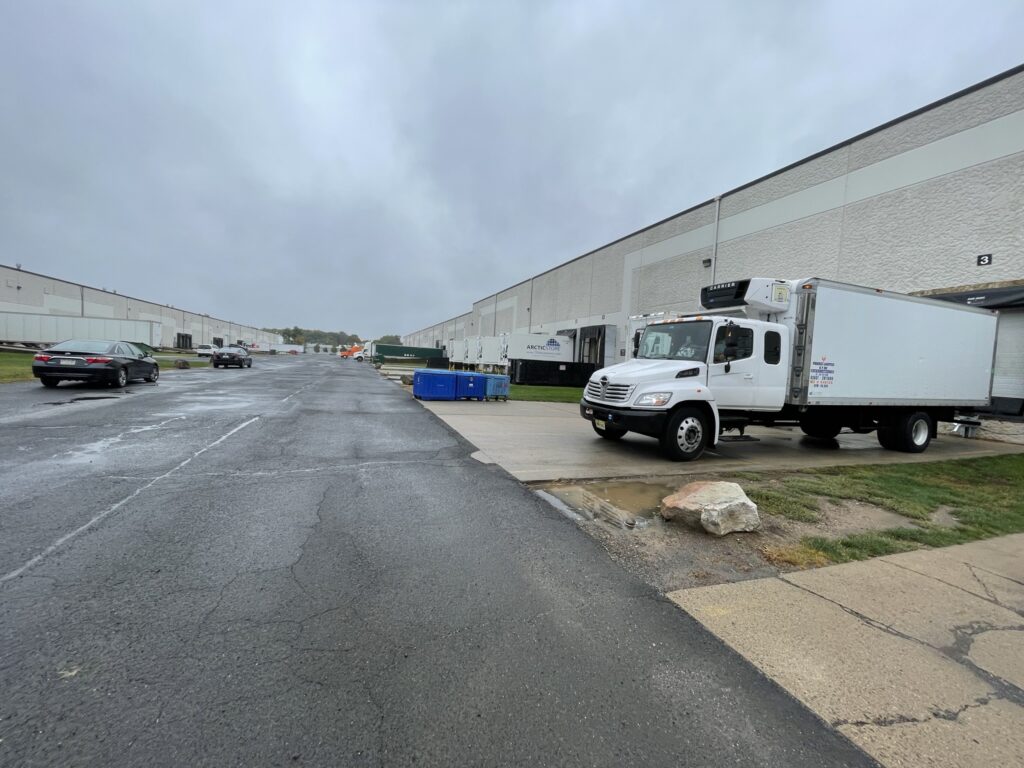
Temperature-controlled vehicles capable of maintaining specific ranges (e.g., +2°C/+8°C or +15°C/+25°C) with backup systems in case of failure.
-
Continuous temperature monitoring and data logging with alerts and audit trails.
-
Qualified carriers and trained personnel familiar with GDP principles and product handling requirements.
-
Route risk assessments and lane validation, taking into account delays, weather conditions, border crossings, and stop durations.
-
SOPs for loading/unloading, transport deviations, and emergency response planning.
-
Documentation and traceability, enabling full visibility of product movement and handovers throughout the journey.
Why GDP Road Logistics Matters
For pharmaceutical companies, especially startups or those entering regulated markets, ensuring GDP compliance in road logistics is essential not only to meet regulatory obligations but also to protect product integrity and safeguard patient health. A single temperature excursion or handling error during road transport can render a batch unusable, leading to financial loss, product recalls, or reputational damage.
Given the increasing complexity of regional and last-mile delivery networks — including frequent handovers between carriers, cross-docking points, and varying climate conditions — having a robust, validated road logistics strategy is critical for GDP compliance and operational resilience.
How Work On BV Supports GDP Road Transport
Work On BV brings specialized expertise in designing and implementing GDP-compliant road logistics networks. With a deep understanding of pharmaceutical supply chains, Work On BV helps companies develop compliant SOPs, conduct route risk assessments, qualify logistics partners, and implement real-time monitoring solutions. They also support in training personnel and validating equipment, ensuring the highest standards are maintained throughout the transport process.
Whether supporting clinical trial logistics, regional distribution, or last-mile delivery, Work On BV enables pharmaceutical companies to operate with confidence, knowing their products are transported securely, compliantly, and reliably.