
Sea Logistics
Good Distribution Practice (GDP) sea logistics refers to the application of GDP principles to the maritime transport of pharmaceutical and life science products. While air freight often dominates time-critical pharmaceutical distribution, sea freight has become an increasingly viable and strategic mode of transport—especially for bulk volumes, long lead-time products, or cost-sensitive markets. However, the complexity of maintaining product quality and regulatory compliance over longer transit durations at sea demands strict adherence to GDP standards.
Sea logistics within a GDP framework is far more than just placing a container on a vessel. It involves the controlled and documented movement of pharmaceutical goods under conditions that preserve their integrity, safety, and traceability throughout the multimodal supply chain. From the moment products leave a manufacturing facility to their final delivery at a distribution center or market, GDP-compliant sea transport must ensure that temperature, humidity, cleanliness, and security are consistently managed—often over several weeks at sea and across multiple handover points.
Pharmaceuticals shipped via ocean freight are typically transported in reefer containers (refrigerated containers), which must be qualified, calibrated, and continuously monitored to maintain the required temperature ranges (e.g., +2°C/+8°C, +15°C/+25°C, or below freezing). In addition, backup systems, route risk assessments, and emergency protocols are essential to mitigate the risks associated with long voyages, customs delays, port congestion, or mechanical failures.
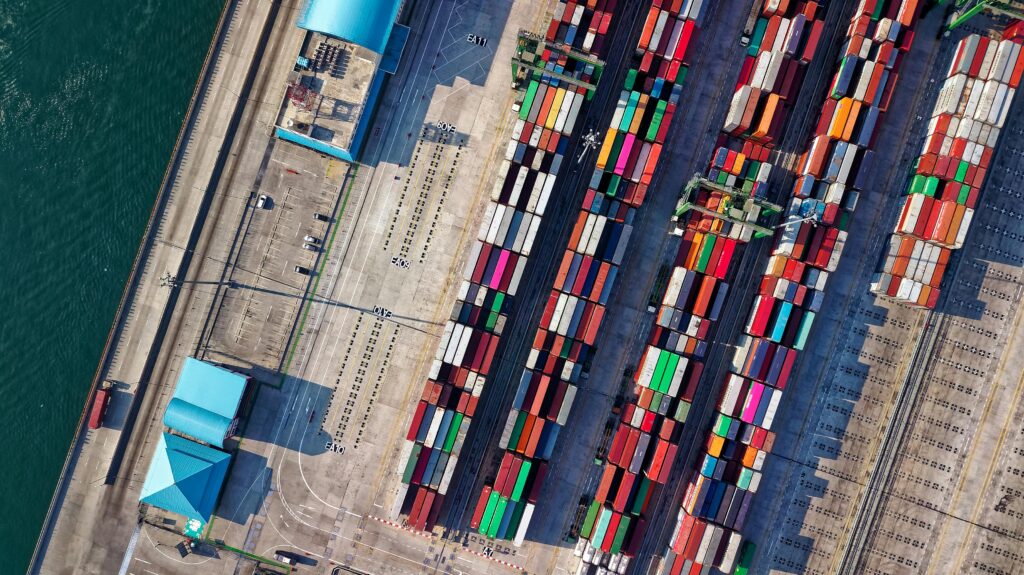
Key GDP considerations in sea logistics include:
Use of qualified and validated equipment, such as GDP-compliant reefers or passive cooling solutions
Continuous temperature monitoring and data logging with audit-ready records
Robust Standard Operating Procedures (SOPs) for loading, unloading, transshipment, and deviation handling
Lane validation and route risk assessments to ensure stability and reliability across extended transit routes
Full traceability and documentation across multiple stakeholders, including carriers, port handlers, freight forwarders, and inland transport providers
Trained personnel involved at every handover point who understand the importance of GDP and product sensitivity
Because sea freight involves more handovers and longer durations than air freight, pharmaceutical companies must work closely with experienced logistics providers and supply chain consultants to ensure full compliance.
How Work On BV Supports GDP Sea Logistics
Work On BV brings specialized expertise in designing and managing GDP-compliant sea logistics solutions for pharmaceutical and biotech companies. With hands-on experience in coordinating refrigerated shipments, qualifying cold chain partners, and implementing compliant documentation and SOPs, Work On BV helps clients navigate the unique challenges of ocean transport.
From advising on the correct container selection and validating sea lanes, to training operational teams and conducting risk assessments, Work On BV ensures that every part of the sea logistics process aligns with GDP requirements. Their knowledge ensures that clients not only meet regulatory obligations but also maintain product integrity and patient safety—while optimizing cost and reducing carbon footprint.